
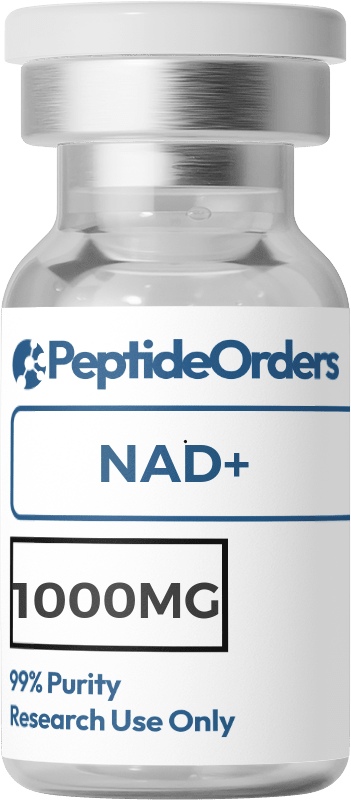
NAD+ is studied for its roles in energy production, DNA repair, and cellular aging. Research spans metabolic and neuroprotective pathways.
Nicotinamide Adenine Dinucleotide (NAD⁺) is a naturally occurring coenzyme found in all living cells. It plays a central role in cellular redox reactions and metabolic processes and is widely studied in biochemical and molecular biology research.
NAD⁺ functions as an electron carrier in oxidation–reduction (redox) reactions and serves as a cofactor for multiple enzyme classes. In laboratory environments, it is utilized in controlled experimental models examining cellular metabolism, mitochondrial activity, and enzymatic regulation.
Scientific Research Context
In published scientific literature, NAD⁺ has been extensively investigated in relation to:
-
Cellular energy metabolism and redox biology
-
Mitochondrial function research models
-
Sirtuin enzyme pathway studies
-
PARP (poly ADP-ribose polymerase) activity investigations
-
DNA repair mechanism research
-
Oxidative stress response studies
-
Aging-related cellular pathway analysis in experimental systems
Research includes in vitro, animal, and controlled human studies examining NAD⁺-dependent biochemical pathways. These references are provided strictly for scientific context and do not imply intended use of this product.