
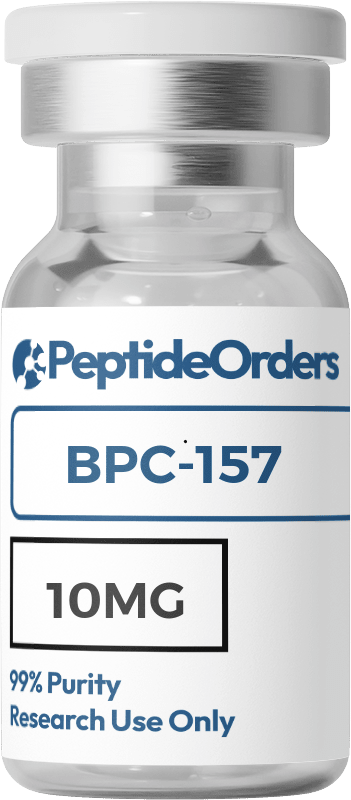
BPC-157 (Body Protective Compound-157) is a synthetic research peptide studied for its role in tissue repair and recovery. It is derived from a naturally occurring protein fragment found in gastric juice. Due to its stability and wide research interest, BPC-157 is commonly used in laboratory and preclinical studies focused on healing and cellular response.
Research suggests that BPC-157 may support the repair of tendons, ligaments, muscles, and other soft tissues. Studies have examined its effects on cell migration and blood vessel formation, which are important factors in tissue-recovery models. These properties make BPC-157 a valuable research compound for studying injury response and repair pathways.
BPC-157 has also been widely studied in gastrointestinal research. Data suggest it may help maintain gut lining integrity and aid ulcer healing in controlled environments. Researchers continue to explore its ability to protect digestive tissues during physical stress.
Additional studies focus on BPC-157’s interaction with nitric oxide pathways. Nitric oxide plays a key role in blood flow and cellular signaling. By influencing these pathways, BPC-157 is being studied for its potential impact on circulation and tissue-support mechanisms.
BPC-157 has also been examined for its role in gene signaling related to growth and cellular survival. These studies help researchers better understand how tissues respond to stress and recovery conditions.